
Multify Blog
-

Links on a multilingual site: internal linking, hreflang, and buying links by language
How link juice is passed between language versions of a website, how many internal links are needed, in what language to buy external links, and what happens to the weight when launching a new regional domain.
-
How to Add a Language to a Tilda Website
Three ways to add a foreign language to a Tilda website: built-in tools, proxy translation, and manual versions. What to choose and where to start.
-
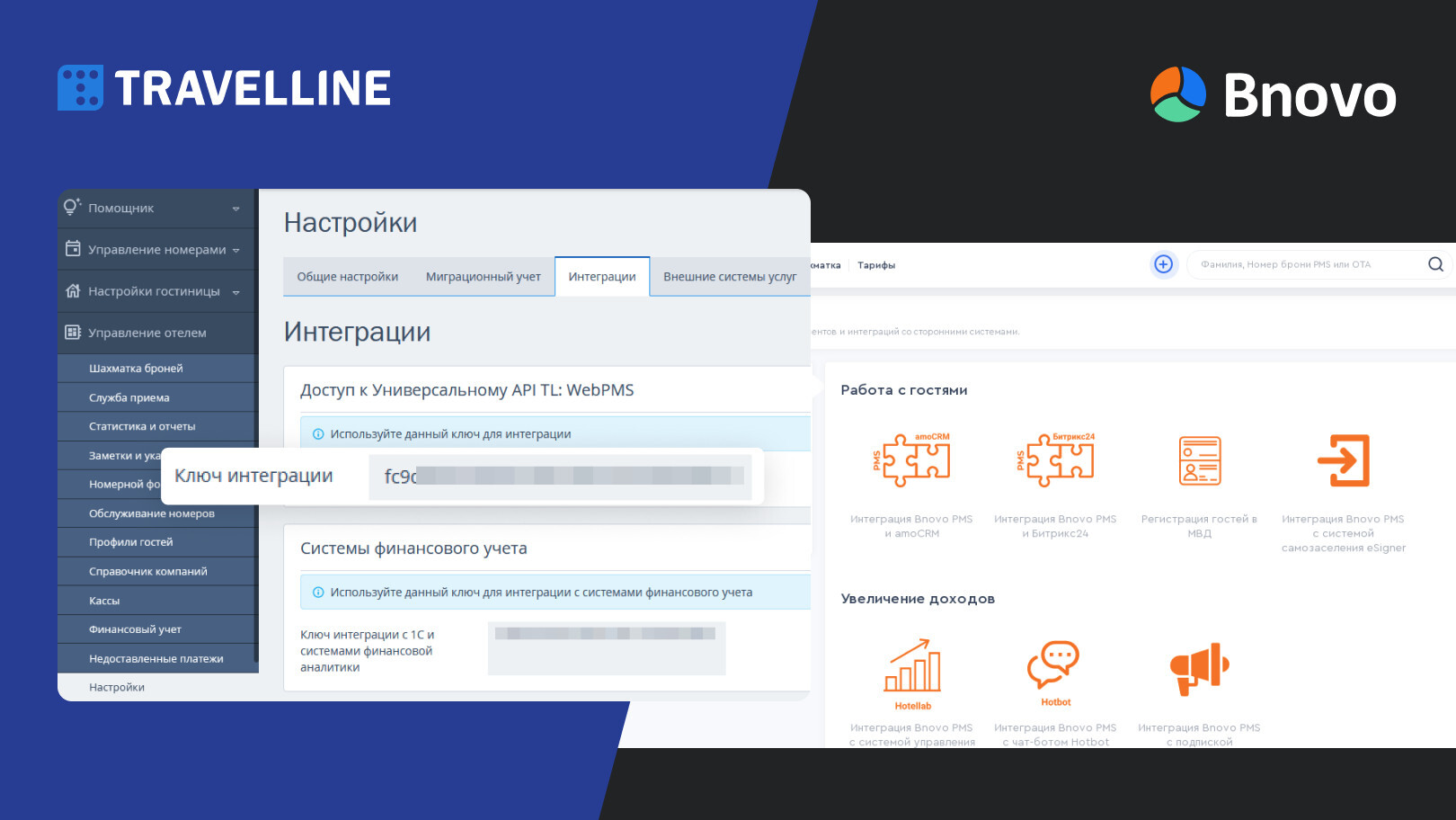
Widget Translation on a Multilingual Tilda Website: TravelLine, Bnovo, and Others
How to translate widgets on a multilingual Tilda website — TravelLine, Bnovo, chats, payment forms. What is translated automatically, what requires separate setup.
-
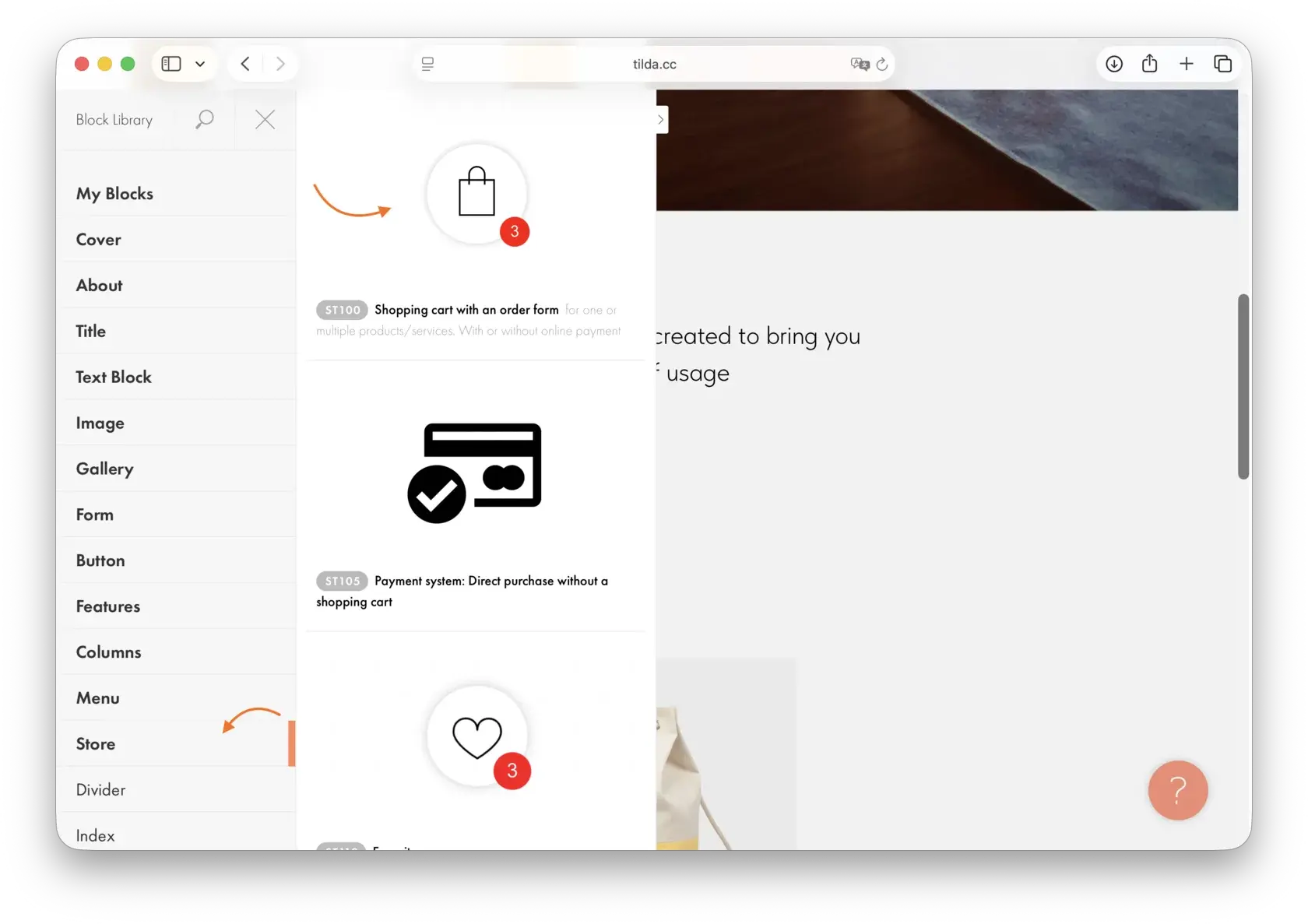
Multilingual Cart and Checkout on Tilda
How to create a shopping cart and checkout on a multilingual Tilda website — translations, button and form localization, common problems.
-
How to Translate a Tilda Blog into Multiple Languages
Translating a Tilda blog: why the standard method doesn't work, how a multilingual blog is structured, and how a proxy solves this. For agencies.
-

Multilingual Landing Page on Tilda: From Idea to Launch
How to Create a Multilingual Landing Page on Tilda: Structure, Translations, Hreflang, and What to Check Before Launch. For Agencies and Marketers.
-
Why Linguise Does Not Translate Tilda Dynamic Content
Linguise does not translate Tilda forms, carts, and dynamic blocks — an analysis of architectural reasons and how this differs from proxy translation.
-
Multify vs Linguise for Tilda
Which content translation service to choose? Comparing Multify and Linguise for Tilda websites: how they differ in SEO and URL structure
-

Microsoft Translator on a Website: When it Fits and When it Doesn't
Microsoft Translator for Website Translation – How it Works, How it Differs from Google Translate, When it's Suitable, and SEO Limitations.
-

Machine Translation, Neural, and LLM: What's the Real Difference for a Website
How LLM translation differs from machine and neural network translation, why it's important for a website — quality, context, marketing texts.
-

ChatGPT for Website Translation: Pros, Cons, Limitations
An Honest Review: Where ChatGPT Outperforms Machine Translation, Where It Falls Short, and Why It Cannot Replace a Full-Fledged Multilingual Solution for Your Website.
-

Website Geotargeting: What It Is and Why You Need It
How to Set Up Geotargeting for a Multilingual Project? URL Structure, hreflang, and Google Search Console. What Works on Tilda.
-

DeepL for Website Translation: When It Works, When It Doesn't
Translation quality is high, but it doesn't solve the SEO problem: we analyze API limitations, indexing issues, and scenarios where DeepL is still useful.
-

Yandex.Translate on a Website: Why It Also Doesn't Work for SEO
Widget or API? Why this doesn't help SEO and how it differs from a full-fledged multilingual website.
-

Google Translate on a Website: Why It's Bad for SEO
Why the Google Translate widget doesn't work for SEO: browser translation button, embedded widget, and alternatives.
-
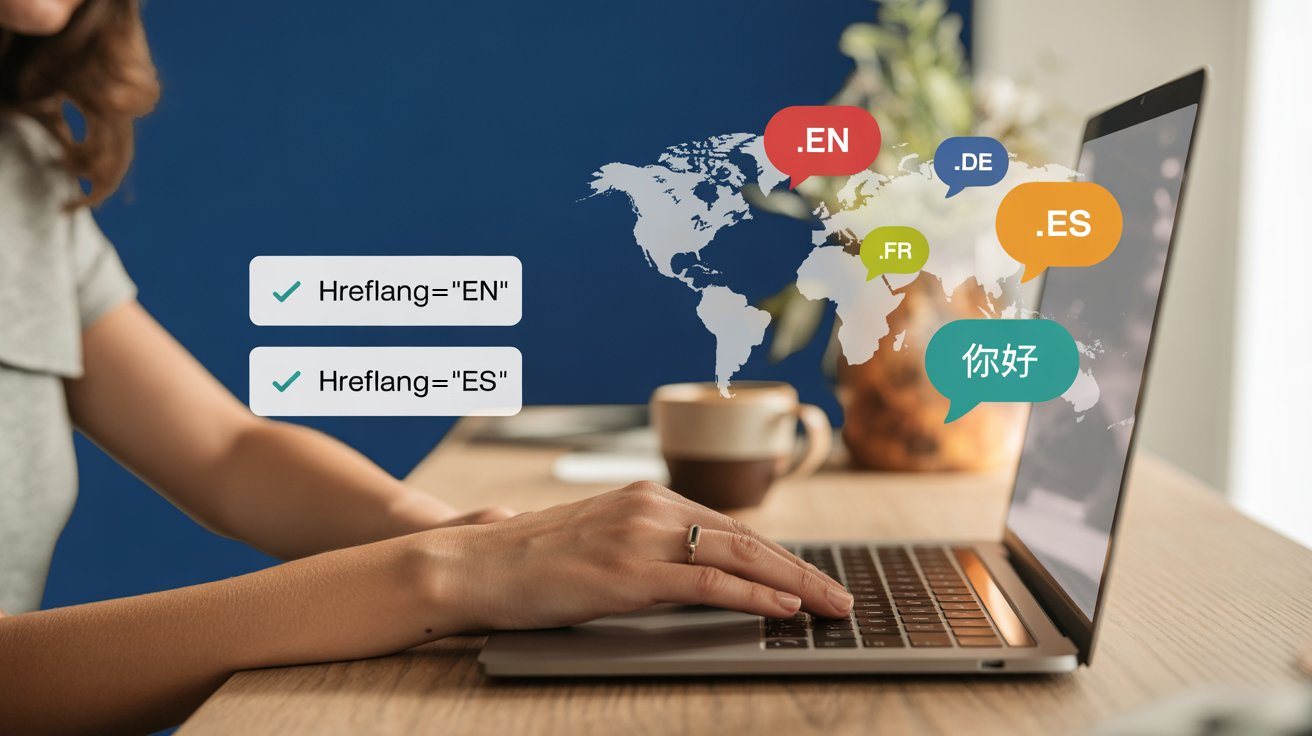
What is hreflang: a complete guide with examples of errors
Hreflang in simple terms: how to set up attributes for a multilingual website, differences between Google and Yandex, language codes, common mistakes, checklist, and frequently asked questions.
-
Automatic Multilingual SEO: Hreflang, Sitemap, and Meta Tags Without Manual Setup
How to set up multilingual SEO automatically — hreflang, sitemap, and translated meta tags for each language version without manual configuration.
-

Domains or Subfolders: What to Choose for a Multilingual Website
Subdomain, subfolder, or separate domain — comparing URL structure options for a multilingual website. SEO, Tilda, and practice.
-
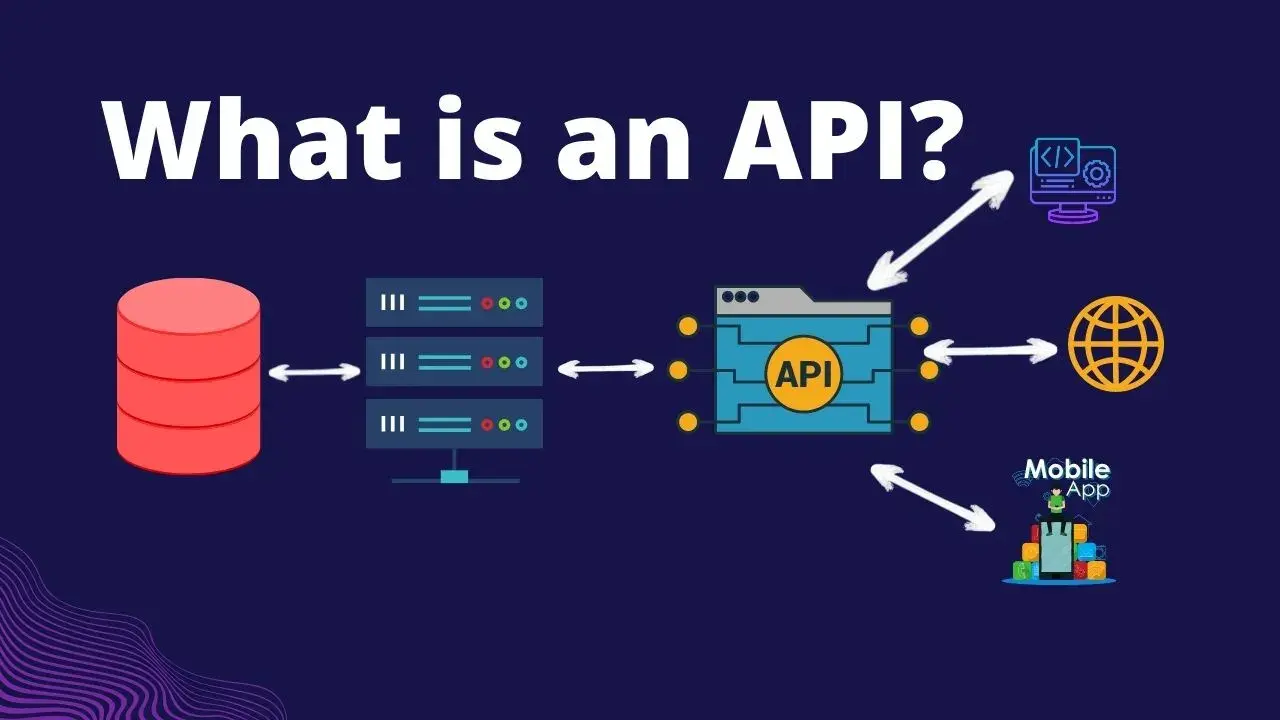
Proxy or API for Translation: What's the Difference and When to Use Each
What is a translation proxy and how does it differ from an API. A practical comparison to choose the right approach for your website.
-

Multicurrency Online Store: Why JS Solutions Break SEO
Why currency conversion via JavaScript harms online store SEO and how a server-side solution correctly solves the problem.
-

How to Sell a Multilingual Website to a Client: Script and Arguments
How an agency can offer a multilingual website to a client and not get rejected. Conversation script, typical objections, and specific arguments.
-

English Version of a Tilda Website: How to Create and What to Consider
How to create an English version of a Tilda website: options, pitfalls, SEO. A breakdown for agencies and businesses that want an English version without unnecessary hassle.
-

Why Weglot Doesn't Work on Tilda: A Detailed Breakdown
Weglot does not translate Tilda catalogs, forms, and dynamic content. We explain why and what to do.
-

Multilingual Tilda Online Store: Launch Checklist
A complete launch checklist for a multilingual online store on Tilda: catalog, cart, payment, SEO, and translations without losing functionality.
-
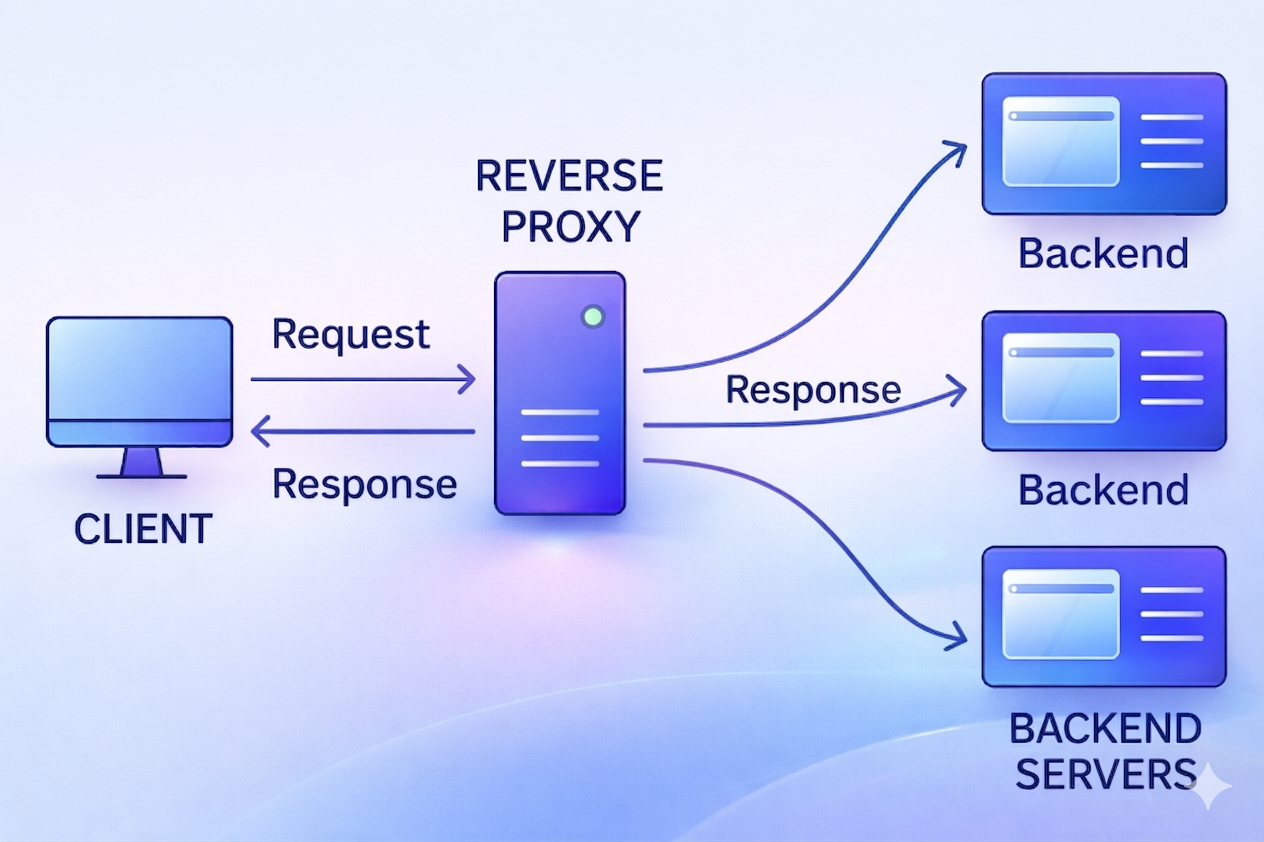
How Multify Works: Reverse Proxy and Server-Side Translation
How Multify translates Tilda websites via reverse proxy: SEO indexing of language versions, dynamic content, and forms.
-
Translating Forms on Tilda: Why It's Harder Than It Seems
Why Weglot Doesn't Translate Tilda Forms, and How Multify Solves the Problem on the Server: Fields, Errors, Text After Submission.
-
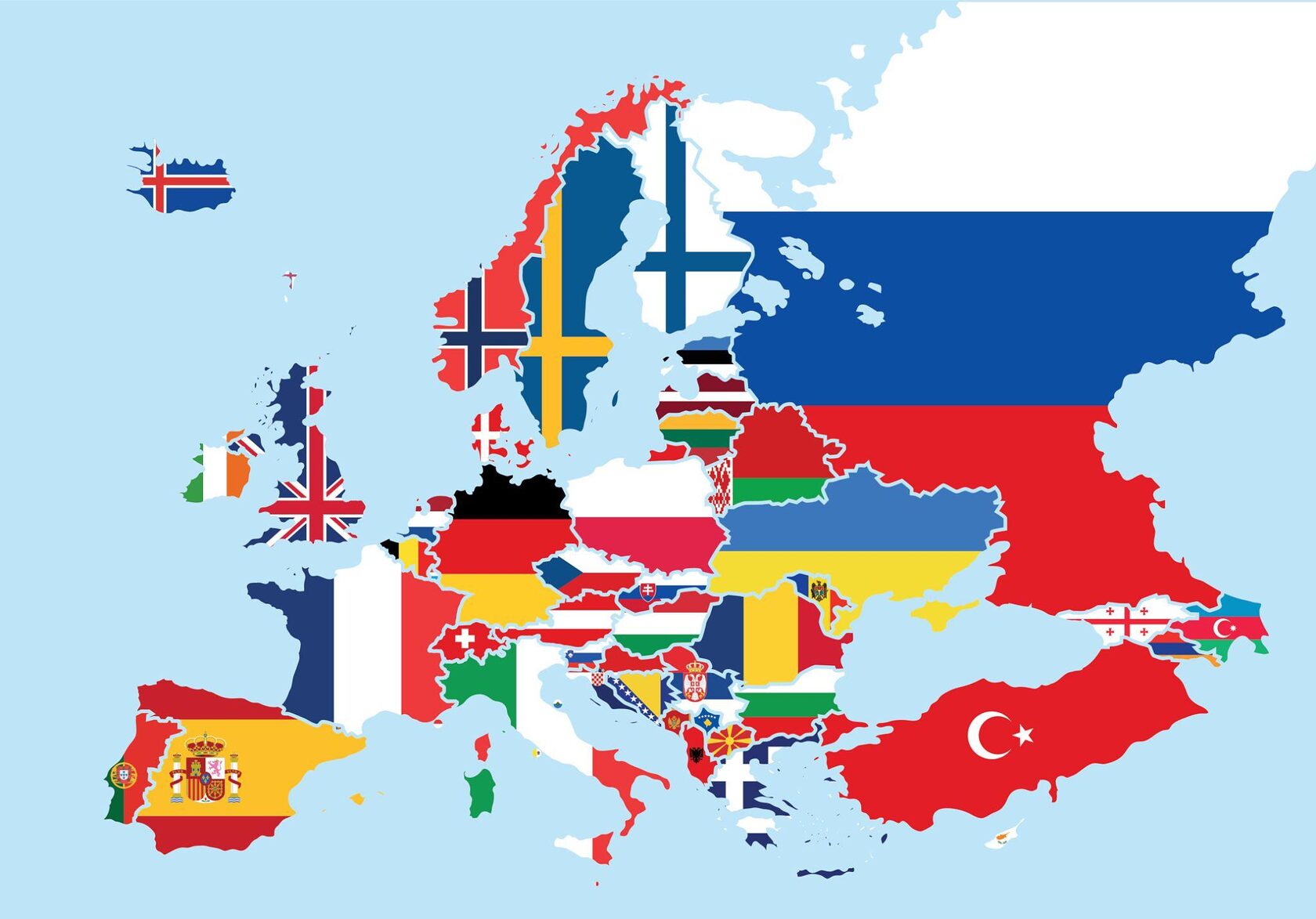
How to Adapt a Tilda Website for Europe: Language, Currency, SEO
How to Adapt a Tilda Website for Europe: Language, Currency, SEO, and Full Localization Without Page Duplicates. We Analyze Structure, Hreflang, Multi-Currency, and European Market Requirements.
-

Why Multilingual Tilda Websites Lose Traffic and How to Fix It
Is your multilingual Tilda website losing traffic? Reasons for position drops and ways to fix SEO without duplicating pages or rebuilding the site.
-
Multilingual Website Without Traffic: The Main Mistake of Manual Translation
Why manual website translation doesn't generate traffic and how it differs from Multify. We analyze the main mistake of multilingual websites and international SEO.
-

One Site or Multiple: What's Better for International SEO in 2026
One Website or Several for International SEO? We Analyze the Pros and Cons of Approaches in 2026 and Explain Which Option is Better for Business Scaling.
-

What languages can a website be translated into using AI?
100+ languages for your website — with translation, SEO, and currencies for each country.
-
How to Make a Multilingual Tilda Website: Comparing Weglot, Linguise, and Multify
Website Translation Services for Tilda: How AI Platforms Weglot, Linguise, and Multify Help Adapt Content for Different Languages and Markets.
-
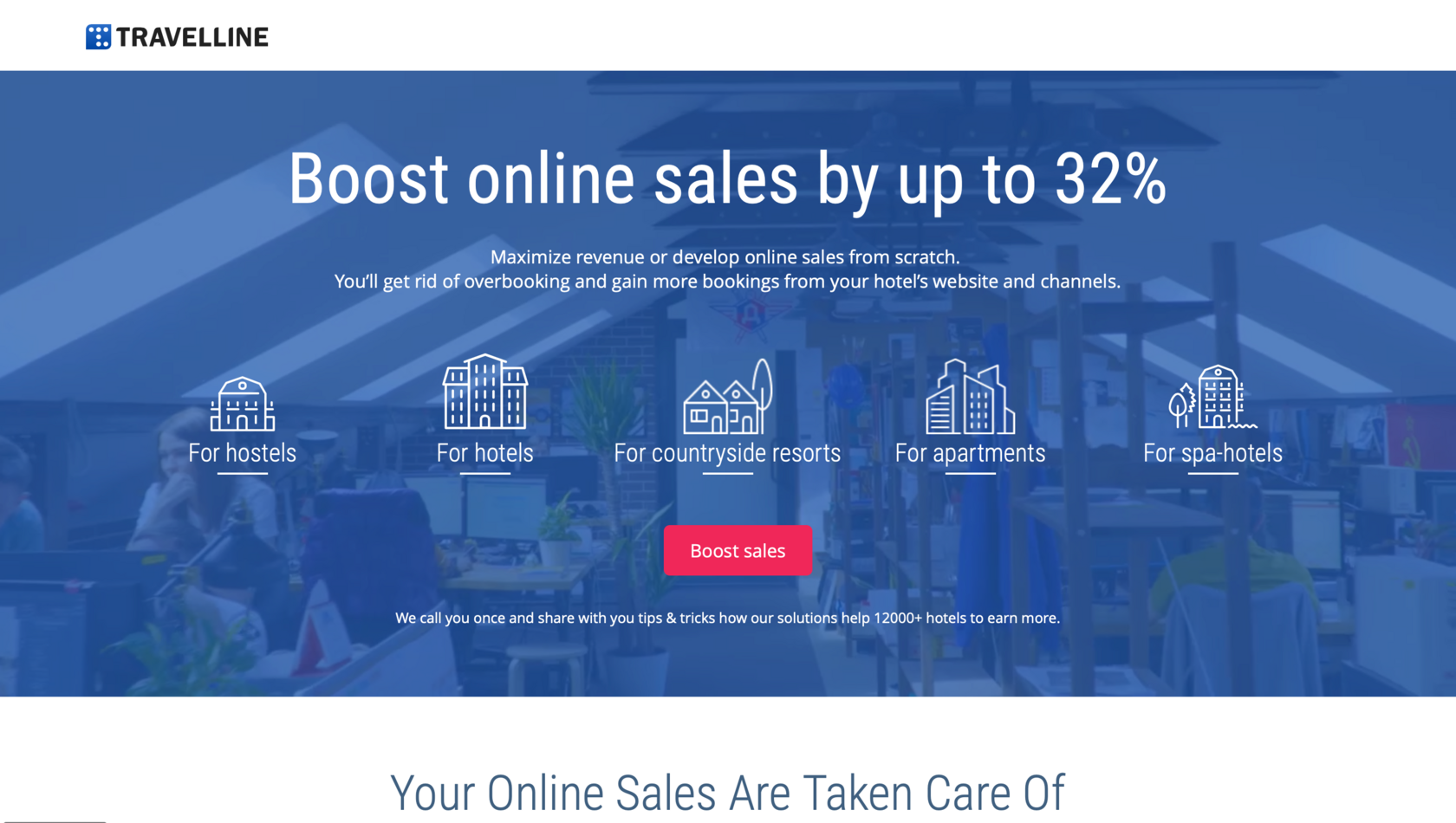
Increase Direct Bookings: Translate TravelLine Widget to Any Language with Multify
Automatic Translation and Localization of the Travelline Widget on Any Website Using the Multify Plugin.
-

How to Make a Bilingual WordPress Site and Not Lose SEO
Create a Bilingual WordPress Website Without Duplicate Pages and Manual Translation Using the Multify Service
-
Turnkey Website Translation into Any Language
Turnkey Multify Setup with Design, Layout, and SEO Adaptation on Tilda and WordPress
-
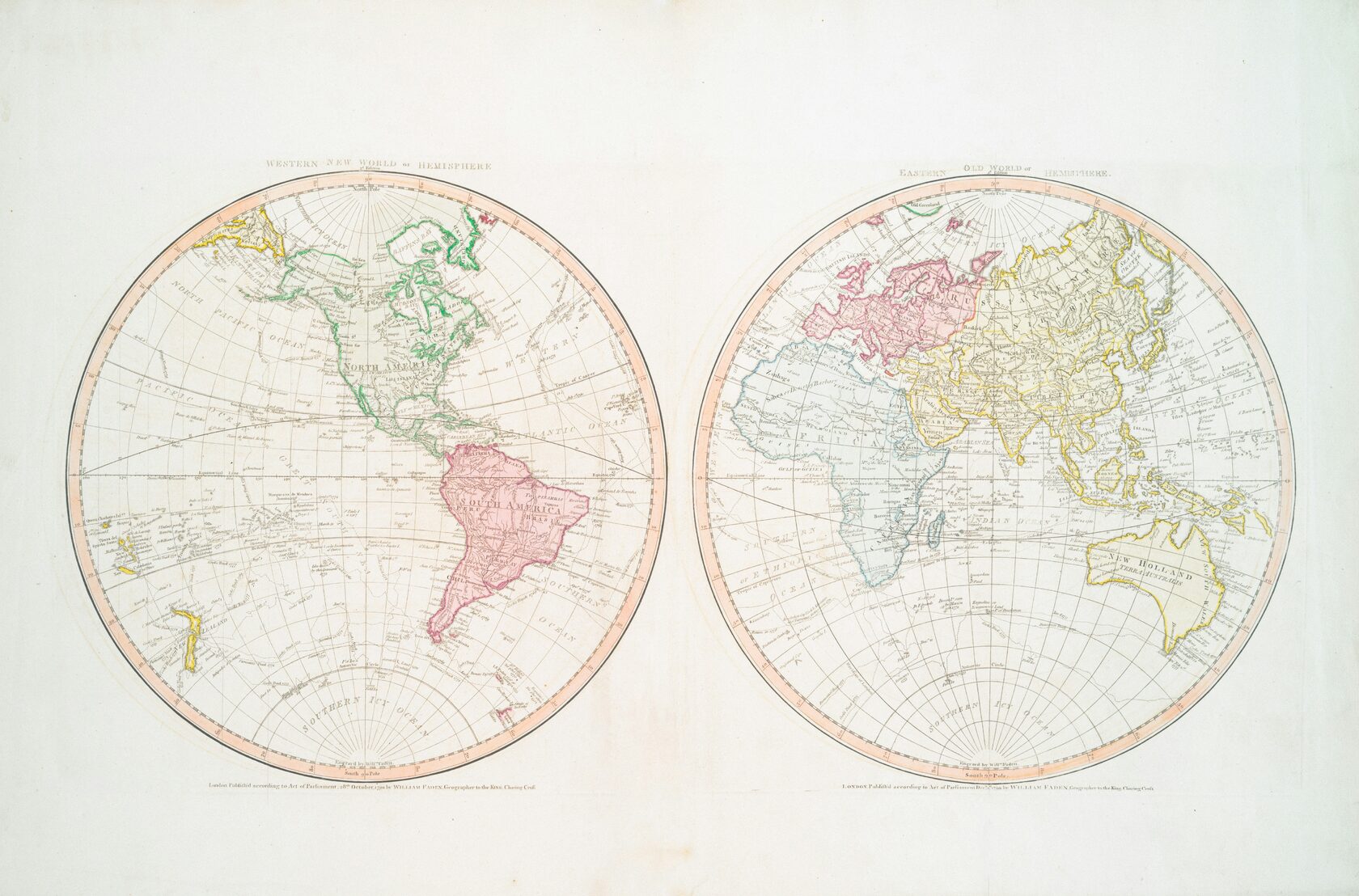
How to Enter the International Market with a Multilingual Tilda Website
Learn how to translate your Tilda website into multiple languages and enter the international market without copying pages, with automatic translation and SEO optimization using Multify.
-
How to Make a Multilingual Tilda Website: A Step-by-Step Guide
How to create a Tilda website in two or more languages: language versions, switcher menu, hreflang, and indexing check. A step-by-step guide with examples.
-

How to link prices in your Tilda catalog to exchange rates so that search engines notice you
Automatic price conversion in Tilda from dollars and yuan to rubles so that Google and Yandex correctly index your product catalog
-
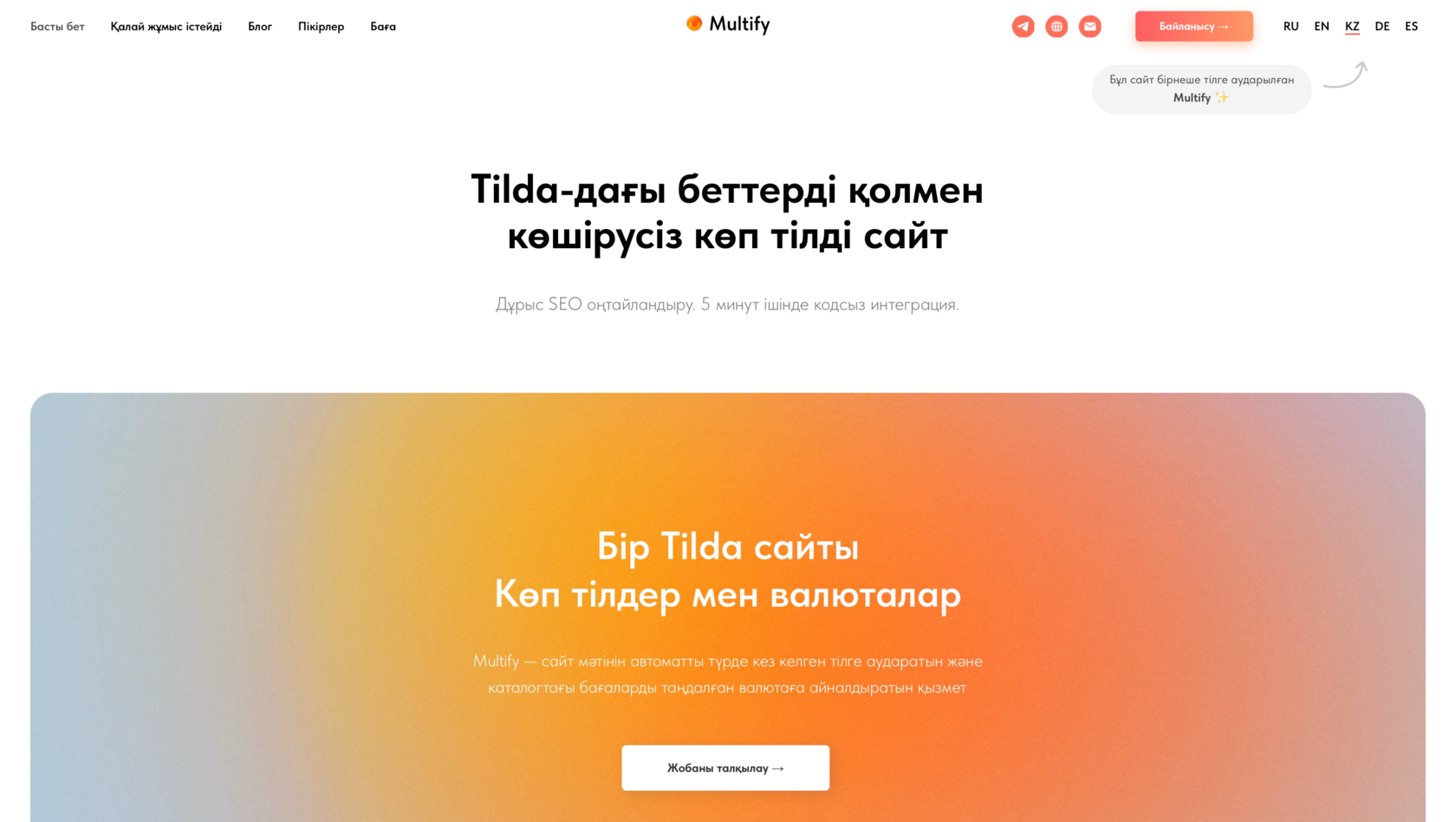
What is Multify and How Does it Work
Multify is a service for automatic translation of Tilda websites, created specifically for those who want to make their website available in multiple languages — quickly and with high quality.
-
SEO, Counters, Redirects: How Multify Affects Search Results
Multify is not just about translations. For a Tilda website to function as a full-fledged multilingual project, you also need to take care of the technical side: SEO, structure, counters, redirects. This is where Multify unleashes its full potential.
-

Translating Dynamic Content on Tilda: How Multify Works
What is dynamic content and how does Multify translate it? Why is it needed and are there any alternatives? All about this - in this article.
-

Placing an Order in an Online Store with Multify
In this article, we will analyze in detail which translation aspects are missing in Tilda during checkout, and how Multify solves this.
-

Dynamic Currency Exchange Rate Conversion for Tilda Websites
Multify increases the conversion of a multilingual online store on Tilda by displaying prices in a currency understandable to the user and recalculating the cost of goods for each country at the current exchange rate.
-
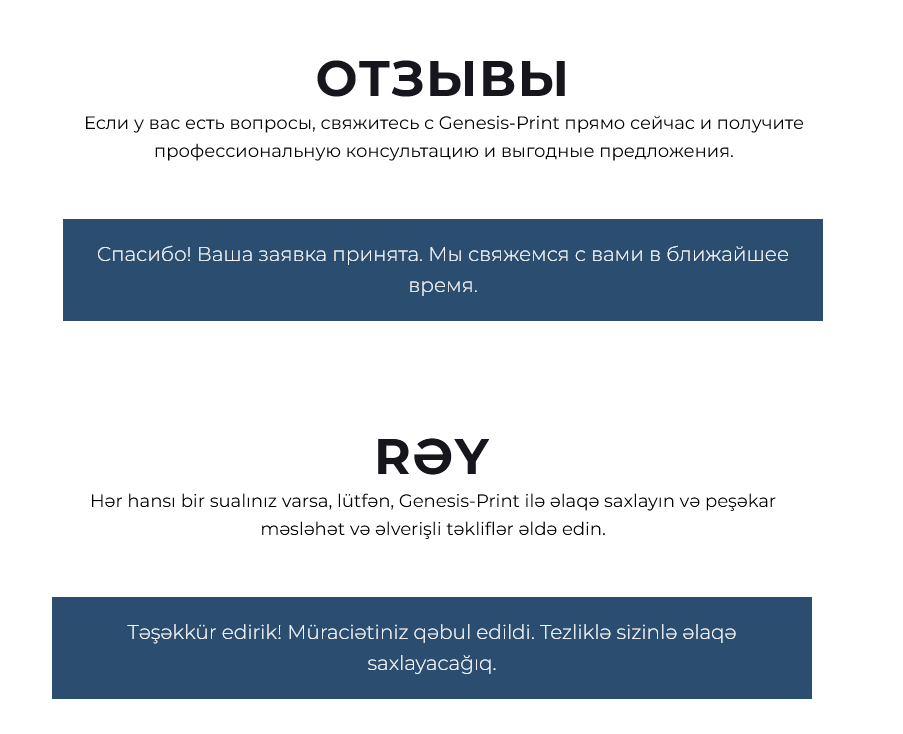
How form submission works on a multilingual Tilda website with Multify
For the user experience to be truly localized, it is important to adapt all interface elements, including feedback forms. Multify solves this problem automatically.
-
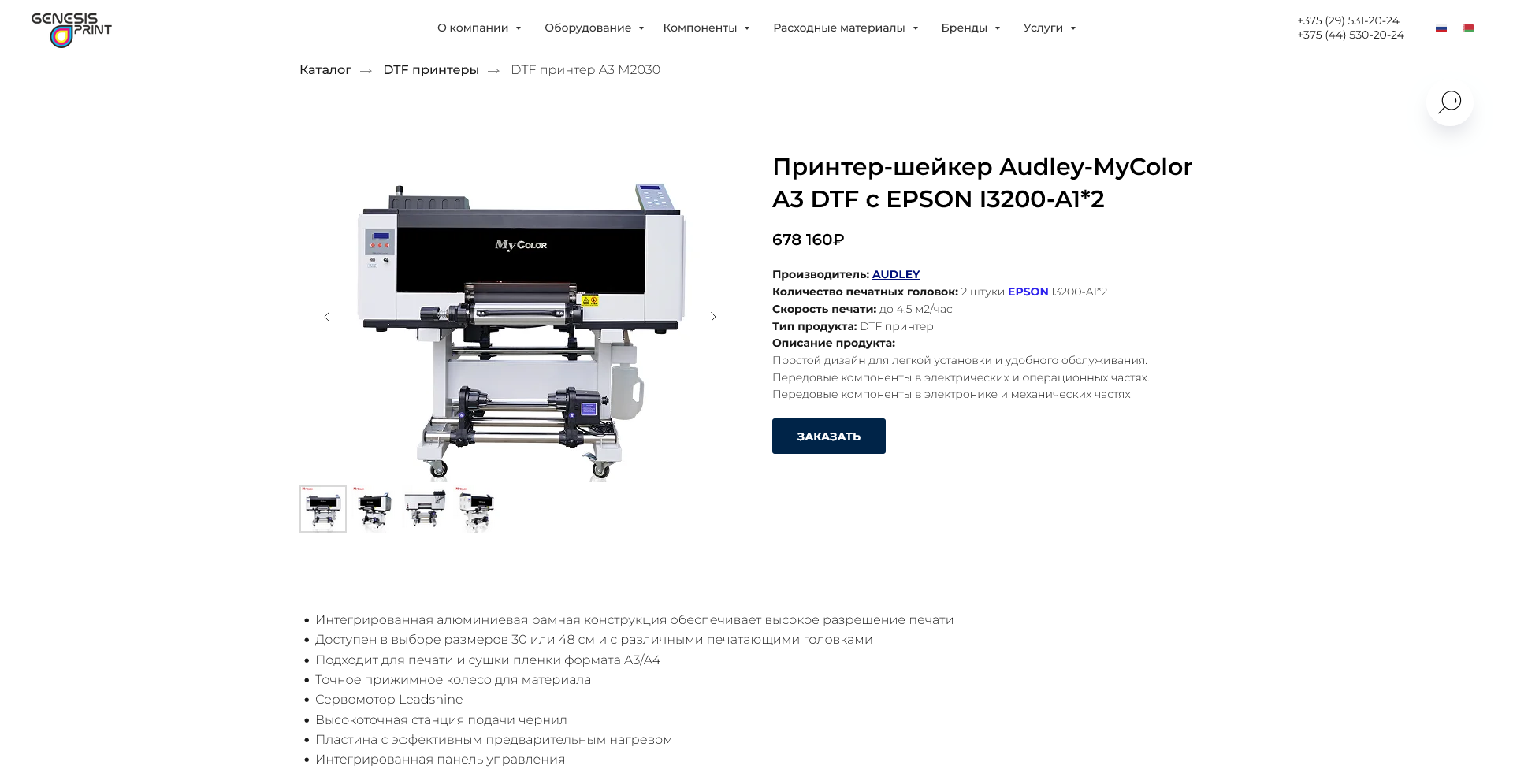
Case: How I Saved 3 Days of Edits and Negotiations — Just by Showing the Client Multify
In this article, I will tell you how, with the help of the Multify service, it was possible to quickly and effectively solve the problem of website localization for CIS regions without many edits, negotiations, and manual labor.
-

Automatic AI Translation and Multilingualism on Tilda: How Multify Works Internally
The use of modern AI models has brought website translation automation to a fundamentally new level. The Multify service uses an entire system for website translations — taking into account context and graph architecture.
-

Multify — How to Turn a Tilda Website into a Full-Fledged Multilingual Store Without Copies and SEO Decline
If you've ever tried to make a two-language website on Tilda — you know it's not a trivial task. Especially if it's an online store with 100+ product cards.